Arbitrability & Section 11(6A) Inquiry: Supreme Court Clarifies Small Causes Jurisdiction in Motilal Oswal Financial Services Ltd. v. Santosh Cordeiro (2026 INSC 5)
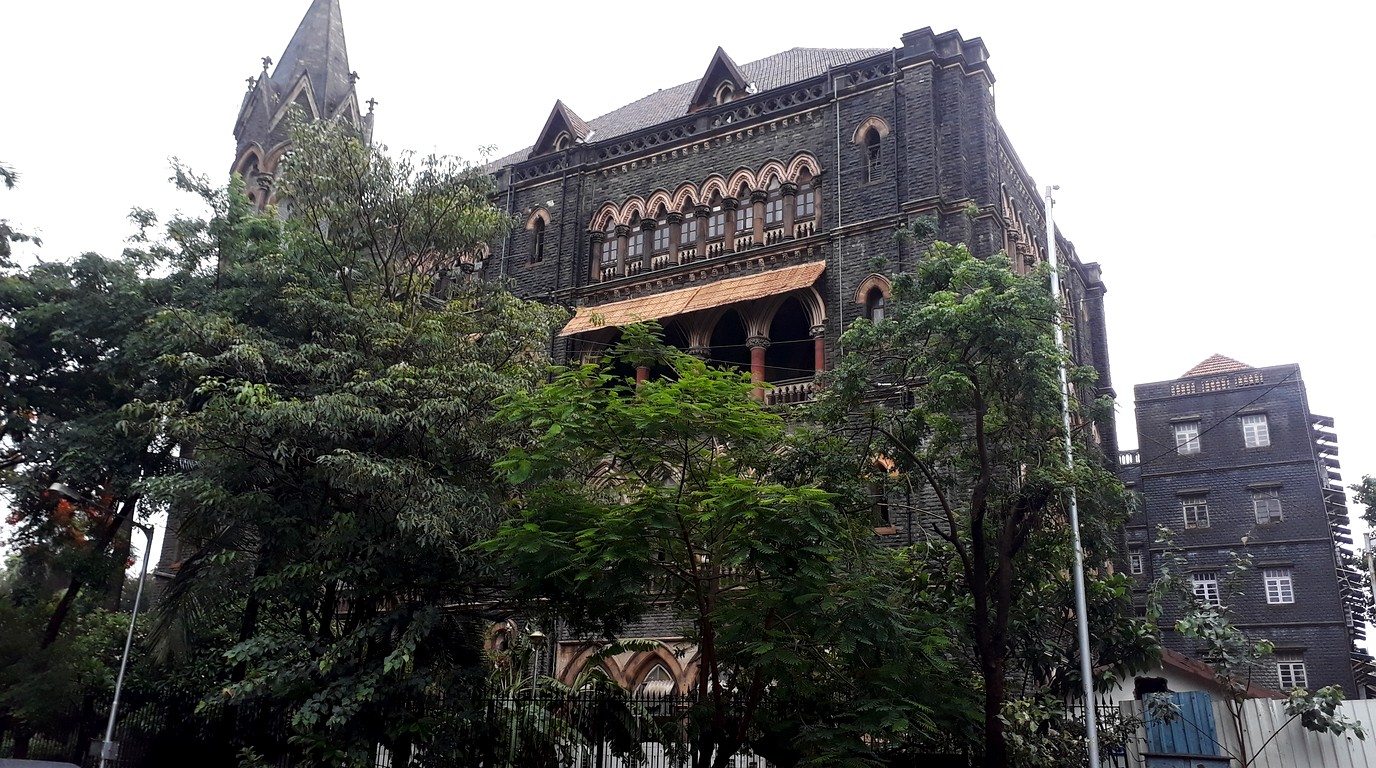
Motilal Oswal Financial Services Limited v. Santosh Cordeiro and Another
Bench: Hon'ble Mr. Justice J.B. Pardiwala & Hon'ble Mr. Justice K.V. Viswanathan (Authored by Viswanathan, J.)
Judgment Date: 5 January 2026 • Analysis by: yasin paravin u koppal
In Motilal Oswal Financial Services Limited v. Santosh Cordeiro and Another (2026 INSC 5; [2026] 1 S.C.R. 1), the Supreme Court of India rendered a crucial pronouncement on the doctrine of Kompetenz-Kompetenz and the narrow perimeter of judicial review under Section 11(6A) of the Arbitration and Conciliation Act, 1996. Resolving a contentious jurisdictional clash between the exclusive statutory jurisdiction of the Presidency Small Cause Courts under Section 41 of the Presidency Small Cause Courts Act, 1882 and private contractual arbitration, a Division Bench comprising Justice J.B. Pardiwala and Justice K.V. Viswanathan affirmed the appointment of a sole arbitrator. The Court held that the referral court must confine itself strictly to determining the prima facie existence of the arbitration clause; statutory conferment of jurisdiction on a specialized forum does not ex proprio vigore neutralize an arbitration agreement where possession has been surrendered and the claim is purely monetary.
| Case Metadata & Judicial Record | |
|---|---|
| Case Title | Motilal Oswal Financial Services Limited v. Santosh Cordeiro and Another |
| Neutral Citation | 2026 INSC 5 ([2026] 1 S.C.R. 1 • 2026 LLBiz SC 4) |
| Appeal Number | Civil Appeal No. 36 of 2026 (Arising out of SLP (C) No. 5834 of 2025; Diary No. 5070/2025) |
| Coram (Bench) | Hon'ble Mr. Justice J.B. Pardiwala and Hon'ble Mr. Justice K.V. Viswanathan (Judgment authored by Viswanathan, J.) |
| Judgment Date | 5 January 2026 (New Delhi) |
| Court Appealed From | High Court of Judicature at Bombay (Commercial Arbitration Application No. 9 of 2024, order dated 02.05.2024) |
| Key Statutes | Arbitration and Conciliation Act, 1996 (Sections 11(6A), 16, 2(3), 5, 7, 8); Presidency Small Cause Courts Act, 1882 (Section 41); Indian Contract Act, 1872 (Section 28). |
| Legal Analyst | yasin paravin u koppal, Commercial & Arbitration Law Analyst |
| Final Result | Appeal Dismissed: Arbitrator appointment upheld; stay vacated; arbitrator directed to conclude proceedings within six months from 05.01.2026. |
1. Factual Matrix & Chronology of Dispute
The respondents are licensors of commercial premises admeasuring 2,925 sq. ft. situated at Unit No. 718, 7th Floor, Palm Spring Centre, Link Road, Malad (West), Mumbai. On October 6, 2017, the licensors entered into a Leave and License Agreement with the appellant, Motilal Oswal Financial Services Limited, for an initial tenure of 60 months, incorporating an express dispute resolution mechanism (Clause 33) providing for sole arbitration in Mumbai.
Following an intermediate termination notice and subsequent commercial renegotiations, the parties executed an Addendum on March 13, 2020, extending the license period to 96 months with an absolute lock-in period of 72 months. Shortly thereafter, citing disruptions caused by the COVID-19 pandemic, the appellant invoked the agreement's force majeure clause and vacated the premises, handing over keys and vacant possession on September 9, 2020, while requesting refund of its Rs. 10 lakh security deposit.
Chronology of Litigation
- 28 June 2023: The respondents issued a demand notice claiming Rs. 94,40,152/- along with 24% interest towards license fees for the unexpired portion of the lock-in period (01.09.2020 to 14.06.2023).
- 15 July 2023: The respondents issued a notice under Section 21 of the Arbitration and Conciliation Act, 1996 invoking Clause 33.
- 13 August 2023: Commercial Arbitration Application No. 9 of 2024 filed before the Bombay High Court under Section 11(6) for appointment of a sole arbitrator.
- 01 November 2023: Motilal Oswal filed a reply asserting that under Section 41 of the Presidency Small Cause Courts Act, 1882, read with the Bombay High Court Full Bench in Central Warehousing Corporation v. Fortpoint Automotive, the dispute fell within the exclusive jurisdiction of the Small Causes Court and was non-arbitrable.
- 02 May 2024: Bombay High Court Single Judge allowed the application and appointed an arbitrator, holding summarily that Malad lay outside the territorial jurisdiction of the Small Causes Court (a factual premise conceded as erroneous before the Supreme Court).
- 11 October 2024: The sole arbitrator dismissed the appellant's Section 16 application, holding that the claim for lock-in compensation was a contractual debt and not a claim for license fee for use and occupation.
- 21 February 2025: The Supreme Court granted an interim stay on the High Court's appointment order in SLP (C) No. 5834 of 2025.
- 05 January 2026: Supreme Court delivers its final judgment dismissing the appeal.
2. Substantive Questions Framed by the Supreme Court
- What is the legitimate scope of judicial scrutiny by a referral court under Section 11(6A) of the Arbitration and Conciliation Act, 1996 following the seven-judge Bench in In re Interplay (2024)?
- Does the Full Bench decision of the Bombay High Court in Central Warehousing Corporation v. Fortpoint Automotive mean that an arbitration agreement ceases to exist whenever Section 41 of the 1882 Act is invoked?
- Can the referral court at the Section 11 stage decide complex questions of arbitrability, such as whether a claim constitutes a debt or recovery of license fees within Section 41(1)?
3. Contentions of the Parties
Appellant's Submissions (Motilal Oswal Financial Services Ltd.)
- Exclusive Jurisdiction of Small Causes Court: The appellant argued that the respondents' claim was fundamentally for recovery of license fees. Under Section 41 of the Presidency Small Cause Courts Act, 1882, the Small Causes Court has exclusive jurisdiction over all suits and proceedings between licensors and licensees in Greater Bombay relating to recovery of possession or license fees.
- Reliance on Central Warehousing Full Bench: In Central Warehousing Corporation v. Fortpoint Automotive Pvt. Ltd. (2009 SCC OnLine Bom 2023), a Full Bench held that Section 41 falls within Section 2(3) of the Arbitration Act, rendering arbitration agreements relating to such disputes invalid, inoperative, and against public policy.
- Non-Contracting Out of Special Statutes: Relying on Natraj Studios (1981) 1 SCC 523 and Booz Allen & Hamilton (2011) 5 SCC 532, parties cannot contract out of a special statutory forum.
Respondents' Submissions (Santosh Cordeiro & Anr.)
- Claim for Contractual Damages / Debt: The respondents submitted that vacant possession had already been surrendered in September 2020. The claim was purely for compensation/debt for the balance lock-in period and not for possession or license fee for use and occupation.
- Application of Vidya Drolia II: In Vidya Drolia v. Durga Trading Corporation (2021) 2 SCC 1, the Supreme Court clarified that the mere creation of a specific statutory forum does not automatically establish implicit non-arbitrability.
- Prima Facie Test under Section 11(6A): Under established law, the referral court must only verify the formal existence of an arbitration agreement and refer all other jurisdictional objections to the tribunal under Section 16.
4. Ratio Decidendi & Judicial Reasoning
A. Strict Confinement to Section 11(6A) Existence Test
Binding Legal Rule on Section 11(6A):
"When a court is asked to appoint an arbitrator under Section 11, it examines only whether an arbitration agreement exists, on a prima facie basis, and does not decide arbitrability objections, which are for the arbitral tribunal under Section 16. The referral court must inspect the dealings between the parties solely for the formal existence of an arbitration clause and refrain from launching a mini-trial or contested inquiry."
The Bench heavily relied on the authoritative seven-judge Constitution Bench ruling in In re Interplay Between Arbitration Agreements under the Arbitration Act, 1996 and the Stamp Act, 1899 (2024) 6 SCC 1. The Court emphasized that Section 11(6A) remains in full statutory force (as its omission by Act 33 of 2019 was never notified) and mandates a non-intrusive, prima facie review.
B. Distinguishing the Central Warehousing Full Bench
The Supreme Court articulated four cogent reasons why paragraph 40 of Central Warehousing does not extinguish the arbitration agreement:
- Materially Distinct Factual Context: In Central Warehousing, the licensee remained in physical possession and instituted a suit for declaratory relief. In the present case, possession had indisputably been surrendered on September 9, 2020, and the pending dispute was strictly a monetary claim.
- Jurisdiction Forum vs. Non-Arbitrability: Following Vidya Drolia II, the mere designation of a specialized forum or court is not decisive of implied non-arbitrability unless backed by an explicit statutory bar.
- Section 41 Does Not Ex Proprio Vigore Extinguish Arbitration: Section 41 merely confers jurisdiction on the Small Causes Court; it cannot be interpreted to mean that by its own force it neutralizes arbitration clauses.
- Section 28 of the Indian Contract Act, 1872: Arbitration agreements are expressly protected under Exceptions 1 and 2 of Section 28 of the Contract Act. The Full Bench in Central Warehousing omitted to consider this foundational statutory protection.
C. Characterization of Claim Left to Arbitrator under Section 16
The Court held that whether the respondents' claim is a simple debt or recovery of license fees falling within Section 41(1) is a mixed question of fact and law for the arbitrator to determine under Section 16. The referral court cannot usurp this adjudicatory function.
5. Final Order & Relief Granted
- Appeal Dismissed: Civil Appeal No. 36 of 2026 was dismissed without costs.
- Interim Stay Vacated: The stay granted by the Supreme Court on February 21, 2025 was terminated.
- Time-Bound Conclusion: The sole arbitrator was directed to proceed expeditiously and conclude the arbitral proceedings within six months from 05.01.2026.
6. Practical & Commercial Significance
While the Supreme Court expressly clarified that it was not pronouncing on the ultimate correctness of Central Warehousing (which remains pending in a separate appeal before the Apex Court), this decision provides tremendous relief to commercial licensors and licensees in Mumbai. It prevents parties from raising dilatory objections under Section 41 of the Small Cause Courts Act to stall Section 11 appointments, reinforcing Mumbai's positioning as an arbitration-friendly commercial hub.
Download Companion PDF Case Brief
Formal Case Brief • 2026 INSC 5 • yasin paravin u koppal, LLM Advocates
LLM Advocates Editorial & AI Transparency Disclosure: This judgment analysis was curated, researched, and structured by yasin paravin u koppal utilizing the LLM Advocates AI Legal Research Copilot. All factual statements, statutory citations, and legal holdings have been rigorously cross-referenced against the original record of proceedings and authoritative Supreme Court reporters.