Fire Insurance & Antecedent Burglary: Supreme Court Overturns Repudiation in Cement Corporation of India v. ICICI Lombard (2025 INSC 1444)
Cement Corporation of India v. ICICI Lombard General Insurance Co. Ltd.
Bench: Hon'ble Mr. Justice J.K. Maheshwari & Hon'ble Mr. Justice Vijay Bishnoi (Judgment authored by Vijay Bishnoi, J.)
Judgment Date: 16 December 2025 • Analysis by: Ragasree Polineni
In Cement Corporation of India v. ICICI Lombard General Insurance Company Limited (2025 INSC 1444), the Supreme Court of India rendered a definitive ruling on the interpretation of Standard Fire and Special Perils Policies and the doctrine of proximate cause in insurance law. A Division Bench comprising Justice J.K. Maheshwari and Justice Vijay Bishnoi set aside the repudiation of an industrial fire claim by ICICI Lombard and overturned the dismissal order of the National Consumer Disputes Redressal Commission (NCDRC). The Apex Court held that where damage is directly caused by an actual, accidental fire, the underlying event or ignition mechanism is legally immaterial—provided the insured was not the instigator and committed no fraud. The Court firmly established that insurers cannot import auxiliary exclusions (such as burglary exclusions under RSMD cover) into independent covered perils to destroy the core indemnity purpose of the contract.
| Case Metadata & Judicial Record | |
|---|---|
| Case Title | Cement Corporation of India v. ICICI Lombard General Insurance Company Limited |
| Neutral Citation | 2025 INSC 1444 |
| Appeal Number | Civil Appeal No. 2052 of 2016 |
| Bench (Coram) | Hon'ble Mr. Justice J.K. Maheshwari and Hon'ble Mr. Justice Vijay Bishnoi (Authored by Vijay Bishnoi, J.) |
| Judgment Date | 16 December 2025 |
| Forum Appealed From | National Consumer Disputes Redressal Commission (NCDRC), New Delhi (Consumer Complaint No. 210 of 2009) |
| Policy Type | Standard Fire and Special Perils Policy (Material Damage) — Peril I (Fire) & Clause V(d) (RSMD Cover) |
| Reportable Status | Reportable |
| Legal Analyst | Ragasree Polineni, LLM Advocates Commercial & Insurance Law Desk |
| Final Order | Appeal Allowed: Repudiation letter dated 04.01.2008 & NCDRC order dated 16.07.2015 set aside; matter remitted to NCDRC to determine quantum of loss within six months. |
1. Factual Matrix & Procedural Trajectory
In June 2005, the Appellant, Cement Corporation of India (a Government of India enterprise), invited centralized tenders for insurance coverage across its national manufacturing units. The Respondent, ICICI Lombard General Insurance Co. Ltd., was declared the successful bidder and issued a Standard Fire and Special Perils Policy (Material Damage) covering the Appellant's Mandhar Cement Factory located in Chhattisgarh.
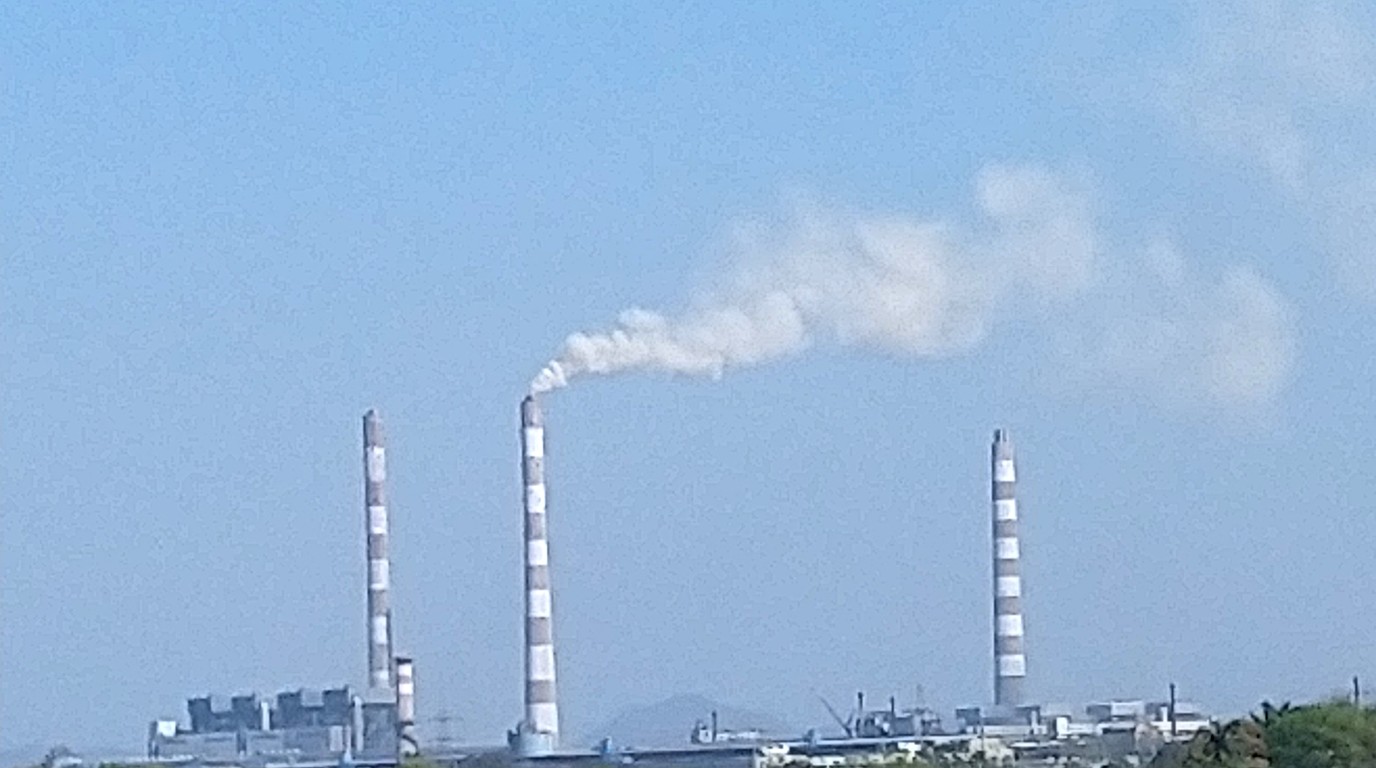
In the early morning hours of 1 November 2006, unauthorized trespassers broke into the factory premises equipped with portable gas cutters and blow torches with the intent to illicitly steal winding copper and transformer oil. While operating a gas flame cutter on Transformer Sl. No. 24994, a massive fire was ignited. The blaze rapidly engulfed the electrical distribution installation and spread across the industrial unit. The Appellant immediately notified the police, registered FIR No. 106/2006, summoned the Fire Brigade, informed ICICI Lombard, and submitted a quantified insurance claim of ?2,20,14,190/-.
Surveyor's Stand & Repudiation
On 12 October 2007, the panel surveyor submitted a Final Survey Report stating that the fire resulted from an attempted theft using blow lamps/gas cutters, and opined that liability did not attach under sub-clause (d) of Clause V (Riots, Strike, Malicious Damage — "RSMD"). Acting on this opinion, ICICI Lombard issued a formal repudiation letter on 4 January 2008, asserting that burglary was the proximate cause of the fire and that theft losses were excluded under the policy.
The Appellant approached the NCDRC in Complaint No. 210 of 2009 seeking indemnification with 18% interest. On 16 July 2015, the NCDRC dismissed the complaint, accepting the insurer's contention that burglary was the proximate cause setting the chain of causation in motion. Aggrieved, Cement Corporation of India appealed to the Supreme Court.
2. Substantive Issues Framed by the Supreme Court
- Whether an insurer can lawfully repudiate a claim under a Standard Fire and Special Perils Policy by treating an antecedent burglary or theft as the proximate cause of the fire, when theft/burglary is not listed as an exclusion under the specific peril of "Fire"?
- Whether exclusion clauses located within the Riots, Strike, Malicious Damage (RSMD) cover can be imported to exclude insurer liability for physical destruction directly caused by fire?
3. Contentions of the Parties
Appellant's Submissions (Cement Corporation of India)
- Fire as an Explicitly Covered Named Peril: Under Peril I ("Fire"), the policy guarantees indemnification for damage caused by fire. The only permissible exclusions specified within Peril I are: (a) fermentation, natural heating, spontaneous combustion, or heating/drying processes; and (b) burning by order of any Public Authority. Burglary or theft is not an excluded peril under Peril I.
- Immateriality of Underlying Trigger: In fire insurance jurisprudence, once an actual, accidental fire occurs, its cause is legally immaterial unless it falls under an explicit exclusion or fraud is established.
- Misapplication of General & RSMD Exclusions: The policy's general exclusion only bars theft occurring during or after the occurrence of an insured peril. It is completely silent on theft preceding a fire. Clause V(d) belongs strictly to RSMD cover and cannot be used to defeat independent fire coverage.
Respondent's Submissions (ICICI Lombard General Insurance Co. Ltd.)
- Proximate Cause Doctrine: Relying on New India Insurance Co. Ltd. v. Zuari Industries Ltd. (2009) 9 SCC 70, the insurer contended that the active, efficient, and proximate cause that set the chain of events into motion was the attempted burglary with gas cutters. Without the illegal break-in, no fire would have started.
- Named Perils Policy Architecture: The policy is not an all-risks policy; burglary was not covered, and Clause V(d) expressly excluded losses arising from burglary and housebreaking.
4. Ratio Decidendi & Authoritative Legal Holdings
1. Immateriality of the Cause of Accidental Fire
Binding Legal Rule on Fire Insurance Perils:
"Under a Standard Fire and Special Perils Insurance Policy, once damage to insured property by an actual, accidental fire is established—and there is no allegation or finding of fraud, wilful misconduct, or instigation by the insured—the precise cause, mechanism, or event igniting the fire is legally immaterial. An insurer cannot repudiate liability on the ground that burglary or theft triggered the fire unless theft is expressly enumerated as an exclusion within the specific 'Fire' peril clause itself."
The Bench reaffirmed New India Assurance Co. Ltd. v. Mudit Roadways (2024) 3 SCC 193, Orion Conmerx Pvt. Ltd. v. National Insurance Co. Ltd. (2025), and Sri Balaji Traders v. United India Insurance Co. Ltd. (2005). The Court held that whether a spark originates from an electrical short-circuit, a discarded cigarette, or an intruder's gas cutter, it constitutes an accidental fire covered by the policy.
2. Prohibition on Cross-Peril Exclusion Importation
The Supreme Court found that ICICI Lombard and the NCDRC committed a foundational legal error by importing the burglary exclusion found under Clause V(d) (RSMD) into Peril I ("Fire"). Each specified peril in a Standard Fire and Special Perils Policy is an independent insuring clause with its own defined scope and self-contained exceptions. An exclusion governing malicious damage cannot be cross-applied to defeat a valid claim under the fire peril.
3. Contra Proferentem & Protection of Contractual Purpose
Applying Texco Marketing Pvt. Ltd. v. Tata AIG General Insurance Co. Ltd. (2023) 1 SCC 428 and Shivram Chandra Jagarnath Cold Storage v. New India Assurance Co. Ltd. (2022) 4 SCC 539, the Supreme Court held that exclusion clauses must be construed strictly against the insurer (contra proferentem). An exclusion clause is subordinate to the main contract and must be read down if its interpretation would "cross swords with" or defeat the very purpose of indemnification.
5. Operative Directions & Final Order
- Civil Appeal No. 2052 of 2016 Allowed: The appeal was allowed without costs.
- Repudiation & NCDRC Orders Quashed: The repudiation letter dated 4 January 2008 and the NCDRC judgment dated 16 July 2015 in Complaint No. 210 of 2009 were set aside.
- Time-Bound Remand to NCDRC: The matter was remitted back to the NCDRC to evaluate and determine the quantum of loss payable to Cement Corporation of India, with an express direction to conclude proceedings within six months from the date of receipt of the certified copy.
6. Practical & Commercial Significance
The judgment in Cement Corporation of India provides much-needed clarity for commercial enterprises, industrial factory operators, and insurers across India. It curtails the practice of insurers mechanically relying on remote or antecedent events (such as burglary, trespass, or third-party negligence) to classify them as "proximate causes" and evade liability when property is destroyed by accidental fire.
Download Companion PDF Case Brief
Formal Case Brief • 2025 INSC 1444 • Ragasree Polineni, LLM Advocates
LLM Advocates Editorial & AI Transparency Disclosure: This judgment analysis was researched, written, and structured by Ragasree Polineni utilizing the LLM Advocates AI Legal Research Copilot. All statutory references, contractual clause analyses, and judicial holdings have been meticulously verified against the original Supreme Court record and official case reports.